
What is Gratitude?
In a world that constantly pulls our attention into what feels like a million different directions, it’s no surprise that mental health can take a hit. Between work, family responsibilities, and the never-ending to-do list, many people, especially busy moms, live in a state of chronic stress without even realizing it. This is where gratitude and mental health comes in.
Gratitude isn’t about pretending everything is perfect or ignoring life’s difficulties. Instead, it’s a powerful mental shift that helps you notice what is working, even on those difficult days. Research consistently shows that practicing gratitude can reduce stress, improve mood, and enhance overall well-being.
The good news? You don’t need hours of journaling or a “perfect mindset” to get started. A simple, consistent gratitude practice can make a meaningful difference over time.
Let’s explore how gratitude supports mental health — and how you can start a sustainable gratitude practice that actually fits into real life.

The Connection Between Gratitude and Mental Health
Gratitude and mental health are closely linked because gratitude directly impacts how your brain processes experiences.
When you focus on gratitude, you shift attention away from focusing on the negatives and toward moments of appreciation and positivity. This helps calm the nervous system and reduces the stress response that so many of us live in daily.
Some of the mental health benefits of gratitude include:
- Reduced symptoms of stress and anxiety
- Improved mood and emotional regulation
- Greater resilience during challenging times
- Increased feelings of connection and contentment
- Improved sleep quality and overall well-being
Gratitude doesn’t eliminate hard moments, but it can make them more manageable and help prevent negative thoughts from completely taking over and spiraling.
How to Start a Gratitude Practice for Mental Health
The most effective gratitude practices are simple and consistent, not elaborate or time-consuming.
Here are approachable ways to start.
1. Start With Just a Few Minutes a Day
You don’t need a long morning routine or a dedicated journaling session.
Start by setting aside 2–5 minutes once a day. This can be:
- In the morning before your day begins
- During a quiet break
- Before bed to reflect on the day
Ask yourself:
- What’s one thing that supported me today?
- What brought a small moment of relief or comfort?
- What am I thankful for right now — even if it’s simple?
This is a gratitude practice that I try to do with my daughters each day, either during dinnertime or the bedtime routine. It helps get conversation going!
2. Try a Simple Gratitude Journaling Practice
Writing things down helps reinforce the mental shift toward gratitude. This is my favorite gratitude practice to do on my own.
A simple daily gratitude journaling practice might include:
- Writing down 3 things you’re grateful for
- Keeping them short and realistic
- Focusing on specifics rather than general ideas

Here are some examples from my own journal:
- “A hot cup of coffee and being free to just sit and drink it and finish it while it’s still hot”
- “Moving my body this morning and getting to participate in an inspirational Peloton ride”
- “Comfortable blankets that help me feel warm and cozy on these cold weather days”
There’s no “right” way to journal — consistency is what matters the most. You can also explore Healthy Habits for Moms for tips on making journaling a sustainable habit.
3. Use a Gratitude Jar for a Visual Reminder
If journaling feels like too much, a gratitude jar is a great alternative.
Here’s how it works:
- Keep a jar and small slips of paper nearby
- Write down one thing you’re grateful for each day
- Drop it into the jar
I did this practice with my family one Thanksgiving and we called it a “thankful jar”. We had a lot of fun with it!
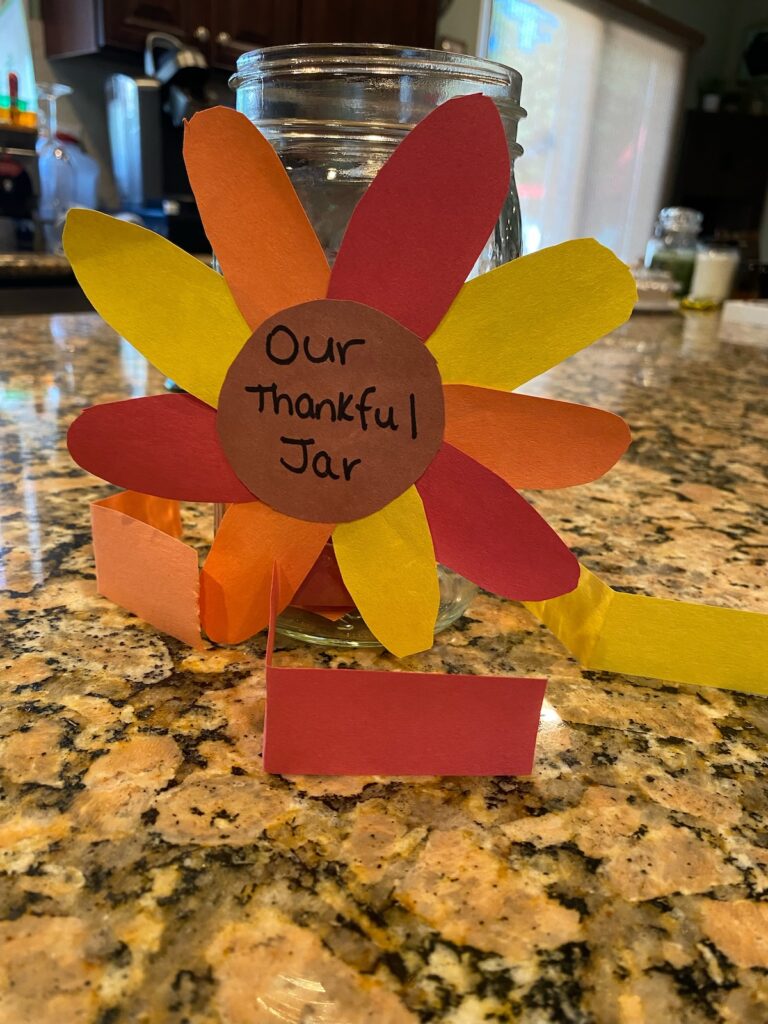
Over time, the jar becomes a visual reminder of positive moments you might otherwise forget. On tough days, you can read the slips of paper that you left in your jar for a mental boost.
4. Practice Gratitude Through Mindful Awareness
Gratitude doesn’t have to involve writing at all.
A gratitude walk is a powerful way to combine movement, mindfulness, and mental health support. During your walk, focus on:
- What you can see, hear, and feel
- Small details you usually overlook
- Moments of comfort or beauty

This practice supports both mental clarity and nervous system regulation. Gentle physical practices, such as Low-Impact Workouts for Moms, can also enhance mental well-being.
Gratitude and Mental Health During Hard Days
If gratitude feels forced or uncomfortable, you’re not doing it wrong.
During periods of overwhelm, burnout, or emotional exhaustion, the brain naturally focuses on the negatives. This response makes gratitude feel more difficult or fake — especially if you’re navigating stress and anxiety.
It’s important to remember:
- You don’t have to feel grateful for hard things
- Gratitude can coexist with frustration, sadness, and stress

On especially difficult days:
- Lower the bar for what “counts” as gratitude
- Acknowledge hard emotions alongside appreciation
Examples might include:
- “I got through today.”
- “I took a deep breath when I needed it.”
- “I asked for help instead of pushing through.”
Gratitude is a great strategy for coping with stress, the mental load, and mom burnout.
How to Make Gratitude a Sustainable Habit
The key to long-term mental health benefits is consistency — not perfection.
Here’s how to make gratitude stick:
- Attach it to an existing habit (coffee, bedtime, brushing teeth)
- Keep it short and pressure-free
- Allow your practice to change with your season of life
Some days you may feel deeply grateful. Other days it may feel neutral — and that’s okay. Over time, gratitude becomes a mindset shift rather than a task and will help you find calm in the chaos.
Final Thoughts on Gratitude and Mental Health
Gratitude and mental health are deeply connected through small, intentional shifts in awareness. You don’t need to overhaul your life or force positivity to experience the benefits.

By practicing gratitude consistently — even in small ways — you create space for calm and resilience. Easy wellness activities can complement gratitude practices and reinforce mental health.
If you’re looking for a gentle, supportive way to care for your mental health, gratitude is one of the most accessible tools available.




4 Comments