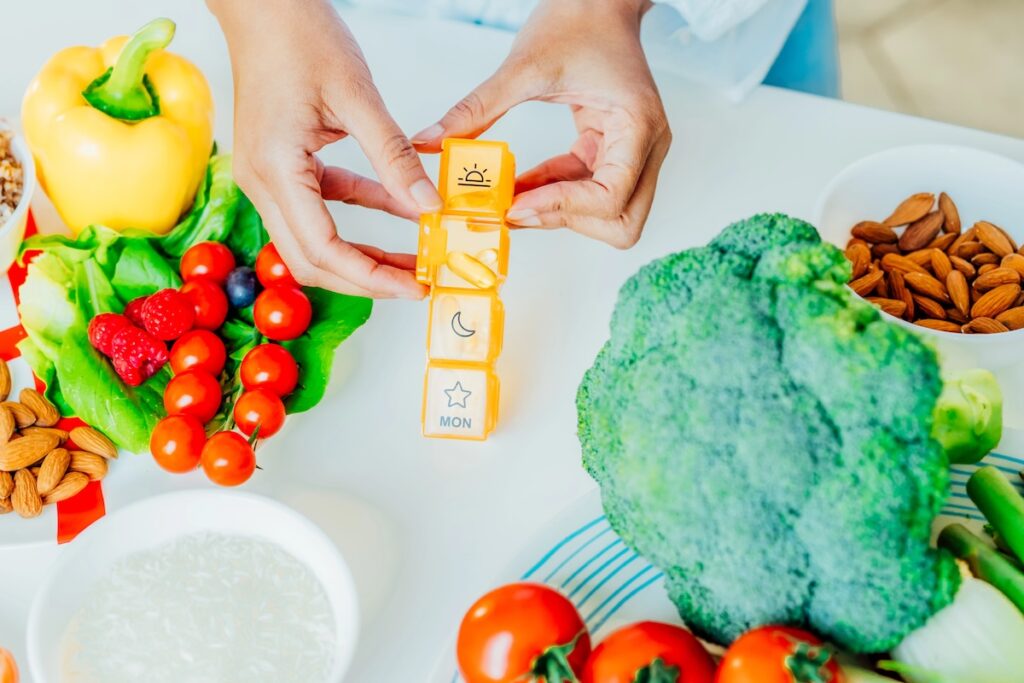
Perimenopause Supplements for Weight Loss: Worth the Hype?
It’s that time of year. The calendar is packed, holiday parties are coming, and your inbox is filling up with Black Friday deals. And somewhere in your scroll there’s an ad for perimenopause supplements for weight loss promising to melt your belly fat, balance your hormones, and give you your energy back. All in one little capsule.
I get why that’s tempting. When you’re in your 40s and the weight that used to come off easily just… won’t, a shortcut sounds really good. Especially when life is this busy and there’s no extra time to figure it all out.
But before you add perimenopause supplements for weight loss to your cart, I want to walk you through what I’d check first. A lot of these products are expensive. Most of the promises aren’t backed by much. And the things that work are a lot less exciting, and a lot cheaper.
Why Perimenopause Supplements for Weight Loss Are Everywhere Right Now
It’s not your imagination. There are more of these products than ever, and more ads for them than ever.
A study published in JAMA Network Open in June 2026 looked at 20 years of menopause-related Google searches (2005 to 2025) in the US, the UK, and Australia. The share of searches tied to commercial products and services went up by 15 to 20 percentage points.
In other words, more and more women are going online looking for something to buy to get through this stage.
There’s even a name for what’s happening now: “menowashing.” It means brands using menopause and perimenopause to sell products faster than the research can keep up.
That doesn’t mean every product out there is bad. It means the marketing is moving a lot faster than the science, and women in their 40s are the target.
The Promises I’d Be Skeptical Of
These are the claims I’d stop and question:
- “Gets rid of stubborn belly fat”
- “Balances your hormones”
- “Fixes your cortisol belly”
- “Boosts your metabolism”
- “Results without changing your diet”
Is it possible something helps? Sure, it’s possible. But keep a few things in mind.
The placebo effect is real. In studies on menopause symptoms, women who take a placebo (a pill with nothing in it) often feel better too. That makes it really hard to tell whether a supplement is doing anything. And the feeling of “I’m finally doing something” can be a relief all on its own.
“Cortisol belly” is a marketing term, not a diagnosis. Stress does make weight loss harder in your 40s. I’ve lived that. But the answer to stress isn’t a capsule.
If it worked like the ad says, you wouldn’t need a new one every year. I’ve tried my share of things that promised quick results. If one of them had worked the way it promised, we’d all be taking it and the ads would stop.
A lot of them are expensive. That’s money that could go toward the things that actually move the needle, like groceries.
Perimenopause Supplements for Weight Loss Aren’t Regulated the Way Most of Us Think
A lot of us assume that if something is on the shelf at the pharmacy, someone checked it first.
Not quite.
Dietary supplements don’t need FDA approval before they’re sold. The company making the supplement is responsible for making sure it’s safe and that the label is accurate. The FDA usually steps in only after there’s a problem.
So when you read a supplement label, you’re mostly taking the company’s word for it.
That’s why the next section matters.

What I’d Check Before Buying Perimenopause Supplements for Weight Loss
If you’re thinking about trying perimenopause supplements for weight loss, here’s what I’d do first.
1. Talk to a doctor you trust. This is the big one. Some supplements interact with medications, and some aren’t a good fit depending on your health history. A doctor who knows you can tell you if it’s worth trying, and if you need a blood test first to know whether you even need it.
2. Look for a third-party seal. Look for USP Verified or NSF Certified on the label. These mean an outside organization tested the product and confirmed that what’s on the label is actually in the bottle. That doesn’t mean it’ll help you lose weight, but at least you know what you’re getting.
3. Check the actual doses, and skip “proprietary blends.” A proprietary blend lets the company list the total weight of the blend without telling you how much of each ingredient is in it. The ingredient they put on the front of the bottle might be there in a tiny amount. If they won’t tell you the dose, I’d pass.
4. Read the claims like a skeptic. Before-and-after photos. “Melts fat.” “No diet or exercise needed.” “Clinically proven” with no study named. If it sounds too good to be true, it usually is.
5. Ask yourself what basic this is replacing. If the honest answer is “the protein I’m not eating” or “the sleep I’m not getting,” start there instead. It’s cheaper and it works better.
What About Creatine, Collagen, and Protein Powder?
These are the trendy ones right now, so I want to touch on them.
Creatine is getting a lot of attention for women in their 40s. The research is growing, mostly around muscle and strength when it’s paired with strength training. But the evidence for women in midlife is still emerging, and it isn’t a weight loss supplement. If you’re curious, ask your doctor.
Collagen and protein powder are optional, not required. They’re basically food in powder form. If you like them and they help on a rushed morning, great. But you can absolutely get what you need from real food.
Full transparency: I don’t take any of those supplements.
What I Actually Take (And Why None of It Is for Weight Loss)
Since I’m asking you to be skeptical, I’ll share a few of the supplements in my own cabinet.
- Evening primrose oil: my OBGYN recommended it for PMS and anxiety symptoms.
- Vitamin D and turmeric: my breast surgeon recommended them for their anti-inflammatory benefits.
- A probiotic: a doctor recommended I take one, and I chose the specific brand myself after doing my own research.
Notice two things.
First, none of these are for weight loss. They were recommended for completely different reasons.
Second, every one of these started with a doctor who knows my history. Not an ad, not a reel, not a “doctor-formulated” label.
So please don’t read this as a shopping list. This is what I take, not what you should take. Vitamin D especially is best guided by a blood test, so you know whether you need it and how much.
Basics Before Bottles: What Actually Helps Weight Loss in Your 40s
Here’s the thing nobody’s running ads for: the basics.
They’re boring. That’s exactly why they work, and exactly why no one’s making money selling them to you.
And they stack. Better sleep makes hunger easier to manage. More protein keeps you full longer. Strength training gives your body a reason to hold on to muscle. Each one makes the next one easier.
1. Protein at Every Meal
Protein keeps you full and helps your body hold on to muscle, which matters even more in your 40s.
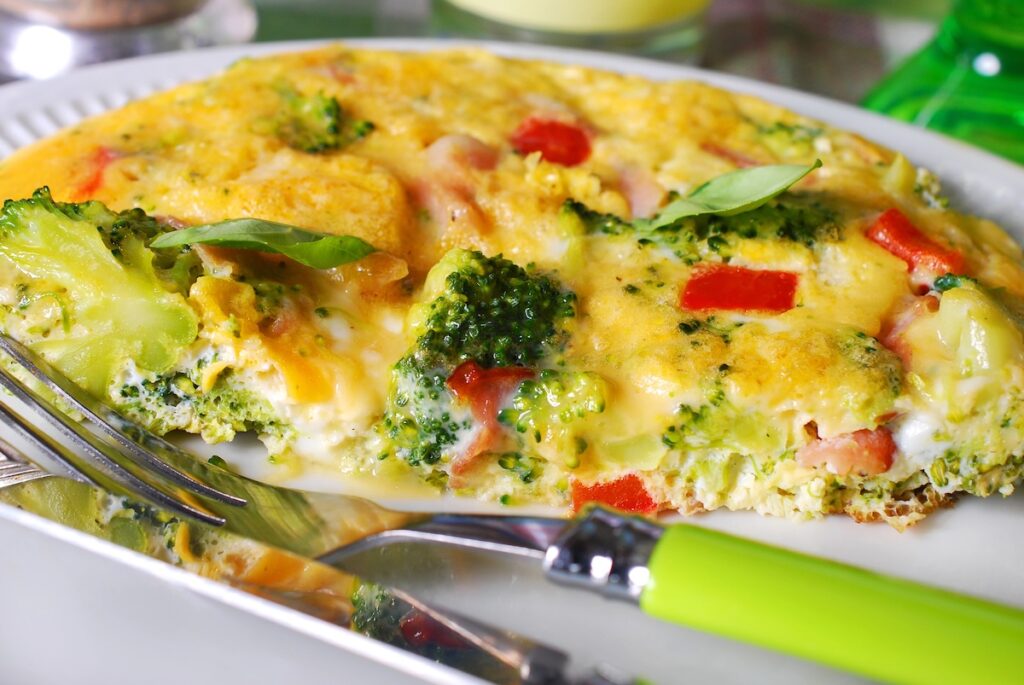
My breakfast lately is an omelette with an egg plus egg whites, cheese, Canadian bacon, and kimchi, with kiwi and berries on the side. That keeps me full way longer than the breakfasts I used to skip.
Small step: Add a protein to the one meal you usually skimp on.
2. Strength Training
This was the change that made the biggest difference for me. I replaced three Peloton rides a week with 20 to 30 minute strength workouts, and that’s when things finally started moving.
Muscle is what keeps your metabolism working for you, and you don’t build it with cardio alone.
Small step: Do two 20-minute strength sessions this week. Bodyweight counts.
3. Sleep
When you’re short on sleep, hunger and cravings get louder and everything feels harder, including your workout.
These days, if I go to bed late, I’ll sleep in a bit and do a shorter workout instead of cutting my sleep short to get the full one in.
Small step: Pick a bedtime and protect it three nights this week.
4. Stress
When my corporate job stress was at its highest, I couldn’t lose weight no matter what I did. Stress affects your appetite, your cravings, and your energy. That’s real. A supplement that promises to “lower cortisol” just isn’t the fix.
Small step: After your most stressful moment of the day, take a 10-minute walk outside before you reach for anything else.
5. Fiber
Fiber helps you feel full and keeps things moving. My easy way to get more: hemp and flax seeds and fresh fruit on my yogurt or cottage cheese bowl.
Small step: Add one fiber-rich food to your day, like fruit, veggies, beans, or seeds.
The Bottom Line on Perimenopause Supplements for Weight Loss
I’m not anti-supplement. I’m anti-false-promise.
If you want to try something, speak with a doctor you trust first. Look for a third-party seal. Skip anything that hides its doses. And don’t believe the promises about getting rid of your belly or balancing your hormones.
Then put your energy (and your money) into the basics first.
Not sure which basic to start with? Take my free quiz, What’s Blocking Your Metabolism?, to find out what’s most likely holding you back and get a free guide matched to your results.