
The Link Between Hormones and Energy Levels
Have you ever felt unstoppable one week and completely wiped out the next — with zero explanation? Or found yourself reaching for every carb in the pantry out of nowhere, even though nothing about your day changed? If so, you’re not imagining things, and you’re definitely not lacking willpower. The link between hormones and energy levels is real. Once you understand it, those “off” days start to make a lot more sense.
As a health coach, I see this pattern constantly — in women I talk to and even in myself. We blame ourselves for being tired, unmotivated, or “out of control” around food. The real culprit is a hormonal shift working exactly as it’s designed to. Understanding how hormones and energy levels interact is one of the most empowering shifts you can make in your own health journey.
How Hormones and Energy Levels Are Connected
Hormones are chemical messengers. They regulate far more than reproduction — they influence metabolism, mood, sleep, hunger, and yes, energy. Throughout the month, your hormone levels rise and fall in a predictable pattern. Each shift sends different signals to your brain and body.
That means the relationship between hormones and energy levels isn’t static. It changes week to week, sometimes day to day. Instead of treating every low-energy afternoon or intense craving as a personal failure, it helps to ask a different question: what’s happening hormonally right now?
The Hormones Behind Your Energy Crashes and Cravings
A few key players are usually behind the shifts in hormones and energy levels that you notice most:
Estrogen tends to support steady energy and mental clarity when it’s at healthier levels earlier in the cycle. As it dips, you may notice more fatigue or fog.
Progesterone rises later in the cycle and has a calming, sometimes sedating effect. This is often why the days before your period can feel especially draining.
Cortisol, your primary stress hormone, directly competes with the hormones that regulate blood sugar and hunger. Chronically elevated cortisol — from poor sleep, overtraining, or daily stress — is one of the biggest hidden drivers of both fatigue and cravings.
Insulin manages how your body uses the food you eat for energy. When insulin sensitivity is off, energy can feel like a rollercoaster — a crash after meals, followed by intense cravings for quick fuel like sugar or refined carbs.
None of these hormones work in isolation. They interact constantly, which is why the connection between hormones and energy levels can feel confusing until you start tracking your own patterns.
Signs Your Hormones and energy Levels Are Out of Sync
You don’t need a lab test to start noticing the patterns. Common signs that your hormones are out of whack include:
- Energy that dips dramatically at the same point in your cycle each month
- Cravings that spike right before your period or during high-stress weeks
- Feeling “wired but tired” — anxious and exhausted at the same time
- Afternoon energy slumps that no amount of coffee seems to fix
- Sudden hunger that feels disconnected from your actual meals
If several of these sound familiar, your hormones and energy levels may simply be asking you to adjust your approach rather than push through with more willpower.

How to Support Your Hormones and Energy Levels Naturally
The good news: you don’t need to overhaul your life to work with your hormones instead of against them. A few sustainable shifts make a real difference.
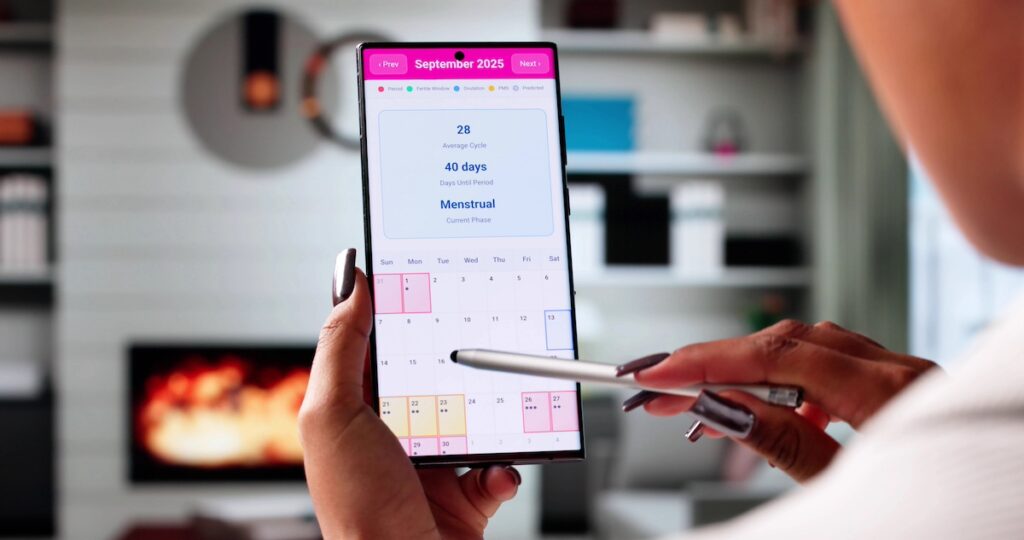
Start tracking your cycle. Even a simple notes-app log of energy, mood, and cravings alongside your cycle day can reveal patterns within a couple of months. This is the first step toward understanding your own hormones and energy levels — not a textbook version of them.
Prioritize protein and stable blood sugar. Pairing carbs with protein and fat slows the energy crashes that often trigger cravings, especially during the luteal phase when progesterone is highest.
Protect your sleep. Sleep is when cortisol resets. Skimping on it, even by an hour, tends to show up the next day as both lower energy and stronger cravings.
Adjust your training to your cycle. Higher-intensity strength work often feels better in the first half of your cycle, while gentler movement — walking, mobility, yoga — can support you more in the days leading up to your period.
Manage stress proactively, not reactively. Since cortisol has such an outsized effect on both energy and appetite, small daily stress-management habits (a short walk, a few deep breaths before a hard conversation, saying no to one more thing) protect your hormones and energy levels more than most supplements ever will.

Work With Your Body, Not Against It
You don’t have to fight your hormones — you just have to understand them. Once you start noticing your own patterns around hormones and energy levels, the guilt and self-blame tend to fall away, replaced by something much more useful: self-compassion and information you can actually act on.
If you’ve been chalking up your fatigue or cravings to a lack of discipline, consider this your permission slip to look deeper. Your body isn’t working against you.




4 Comments